Thermal Spray Coatings

Thermal spray technologies for enhanced surface performance and durability

Thermal Spray Coatings

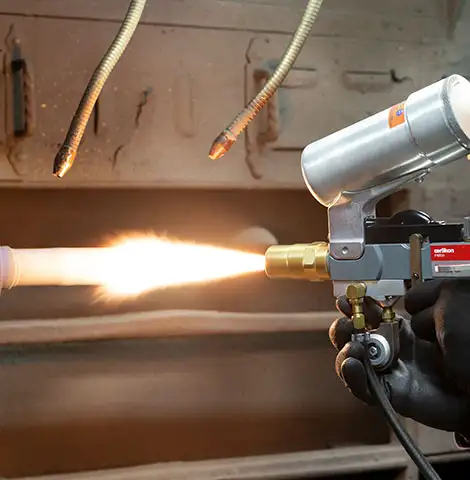
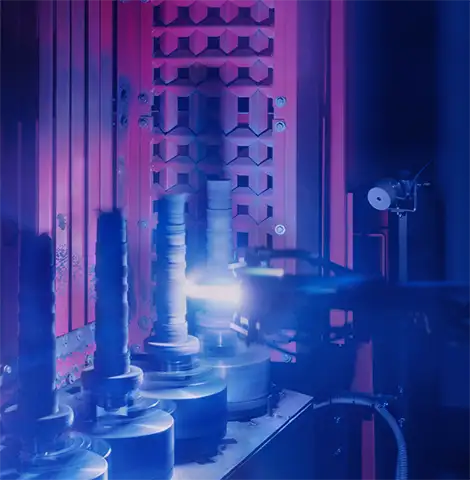
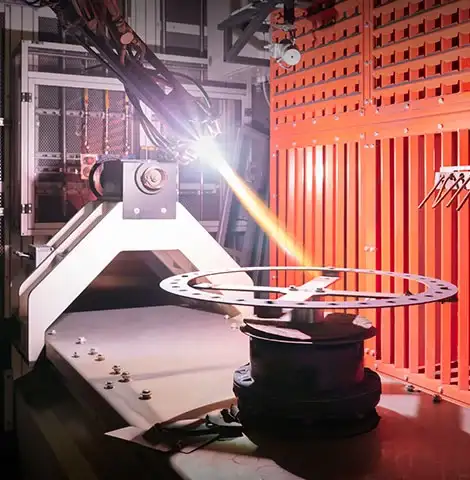
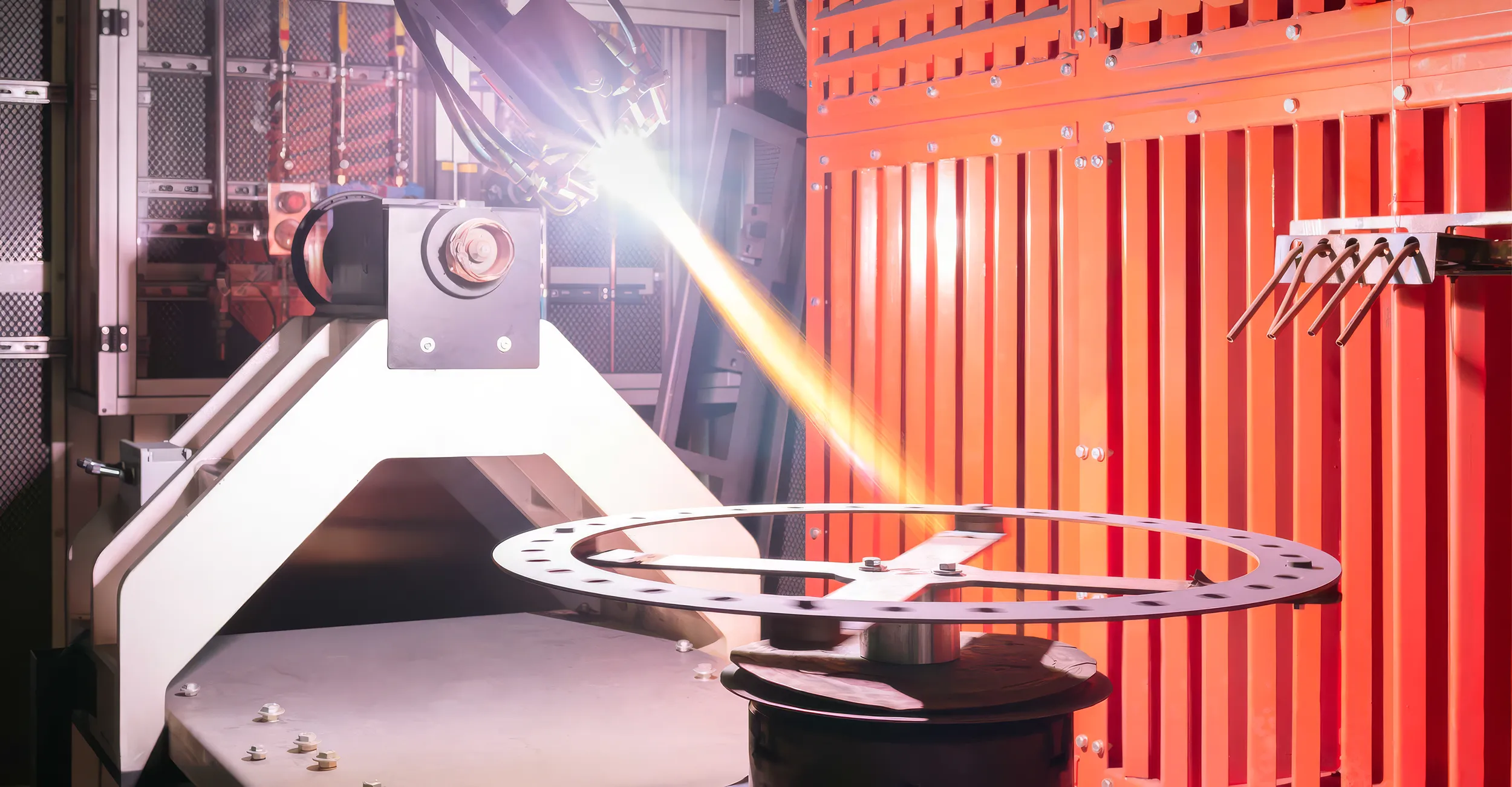
Thermal sprav processes consist of the application of metal, ceramic or composites coatings (dispersions of ceramic phases in metal binders) onto metallic and non-metallic surfaces. Raw materials in wire, rod and powder (size 1 - 500 um) form are heated to a molten or semi-molten state in a gaseous environment at high temperature and are accelerated towards the substrate, where they quickly solidify, creating an overlapping lamellar structure.

Types of coatings

Below there are different types of thermal spray coatings and some of their advantages.

Metal coatings such as Molybdenum, Aluminium alloys, Copper alloys, carbon and stainless steel, Nickel or Cobalt alloys (Colmonoy, Stellite, etc.) are deposited via Flame Spray (FS), High Velocity Oxygen Fuel (HVOF) and Air Plasma Spray (APS) technologies. These processes are performed in Zocca since 1967. Some metal coatings, if left rough without subsequent mechanical finishing processes (grinding, turning, etc.) have significant roughness, useful for carrying out the dragging of products.

Metal and metal alloys coatings Properties Industries
Bronze, Aluminium, Nickel- graphite
Abradable coatings
Aerospace
Food
Cellulose & paper
Pharmaceuticical
Electromechanical
Packaging
Printing & graphics
Molibdeno – Stellite Anti-wear coatings

Ceramic coatings are made of high purity metal oxide deposits and are applied through traditional or new Air Plasma Spray technique. They are chemically inert and have a high melting point. These characteristics give them resistance to aggressive or high temperature environments.

Ceramic coatings Properties Industries
Cromium oxide (Cr2O3) Anti-wear coatings, especcially for slding wear and for rotating gaskets Aerospace
Food
Cellulose and paper
Pharmaceutical
Electromechanical
Packaging
Printing & graphics
Aluminium Oxide (Al2O3) pure or with added Titanium dioxide (Al2O3-TiO2) Anti-wear coatings, electric insulation als at high temperatures
YSZ (Yttria Stabilized Zirconia ZrO3-Y2O3) Thermal barrier

Composite coatings (also called Cer-Met) consist of ceramic phases, typically carbides, dispersed in a metal matrix that acts as a binder. These
coalines nave a verv nign level or naraness, making inem sultable tor extreme anti-wear applications.
The presence, in some types of Cer-Met coatings, of metallic chromium, nickel- and cobalt-based alloys makes them suitable for use in aggressive ens, even t temperatures above bu
The most widely used coating process for Cer-Mets is the HVOF due to the compactness, cohesion and adhesion that is achievable. For applications in which a high surface roughness is required, the Plasma Spray process is preferable.

Alcune tipologie di rivestimenti Cer-Met Impieghi / Caratteristiche Settori di applicazione
Tungsten Carbide in Cobalt matrix (WC-Co);
Chromium carbide in Nickel-Chromium matrix (Cr3C2-NiCr);
Tungsten carbide in Cobalt-Chromium (WC-Co-Cr);
Tungsten- and Chromium- carbides in Nickel matrix (WC- Cr3C2-Ni);
Anti-wear coatings Coatings for aggressive environments Coatings as alternatives to Chromium plating Product gripping and dragging coatings Aerospace
Pharmaceutical
Oil & Gas
Cellulose & paper
Rubber and Plastic
Woodworking
Motor racing
Packaging